Standing Water Pump-Out
Deep water in basements, garages and crawlspaces gets moved with submersible pumps and discharge hose run well away from the foundation.
- Trash pumps when mud or debris is present
- Discharge routed away from the foundation
The water has not stopped, the office hours are long over, and you need help moving toward your door now. One call to Water Heater Repairer gets a real person who walks you through shutting things down and sends a licensed and insured independent extraction pro working around North Olmsted.

The first few hours decide how much of the floor, drywall and cabinetry can be saved, so this line is built for speed and calm.
We send off-hours calls to independent pros with their own licensing and coverage who keep a loaded rig ready for nights.
At 2 a.m. your call stays at the top of the board, and we keep working the on-call list until a contractor confirms the job.
Even at night, the contractor writes up the extraction and setup scope before the pumps start, so there is no surprise invoice after a stressful night.
Look for submersible pumps for deep water, trash pumps when there is grit and debris, and portable or truck-mount units for soaked carpet.
We are a referral and dispatch line, not the contractor. Our job on an emergency call is to keep you safe for the next hour, figure out what kind of water you are dealing with, and get the right independent pro rolling. Many contractors in the network are IICRC-trained, and you can ask for credentials and proof of insurance when they arrive.
Tonight is about three things: stop the water spreading, remove what is standing, and stabilize the property until drying is planned.
Deep water in basements, garages and crawlspaces gets moved with submersible pumps and discharge hose run well away from the foundation.
Weighted extraction tools pull water out of carpet and pad so less of it soaks into the subfloor overnight.
A ceiling holding water can come down without warning, so the pro drains it with a controlled relief hole into a bucket and opens the area if needed.
When a plumber or part cannot come until morning, the contractor caps what they can, tarps openings and blocks up furniture to stop more damage.
Air movers and a dehumidifier go in the same night when possible, because the 24 to 48 hour window is when mold starts to take hold.
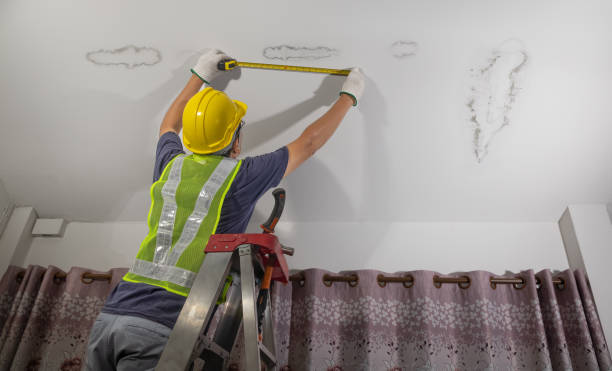
We spend the opening minute sorting out the situation, not taking down forms. Expect questions about whether it is still flowing, where it starts, and whether it is clean supply water, toilet water, or drain backup. Clean water from a supply line is handled differently from anything that touched a sewer line.
We also ask how many rooms are wet, whether it has reached a lower floor, and whether anyone in the home is elderly, very young, or has breathing issues. Those answers decide which contractor gets the call and what equipment comes on the truck. A single-room leak from a supply line may only need a portable unit and some air movers. A flooded basement full of debris calls for trash pumps and more hands.
A live dispatcher answers, confirms everyone is safe, and walks you to the main shut-off and breaker while lining up a contractor.
An on-call contractor rolls with pumps, extractors and air movers, and phones ahead with a name and an estimated arrival.
The contractor confirms the source is stopped, checks for electrical hazards, maps how far the water spread with a meter, and writes up the emergency scope.
Standing water is out, hazards are handled, temporary fixes are set, and the drying gear is on before anyone leaves, with next steps agreed.
Shut the main water valve before anything else. If you cannot find it or it will not turn, the curb stop near the street can shut the supply, though it may need a special key. Next head to the panel, but only if you can get there on dry footing.
Standing water and live outlets are the biggest danger on these calls. If water is touching outlets, cords or a power strip, stay out of that room and tell the dispatcher. Get papers, medications and valuables up and off the floor.

Every hour of standing water means more wicking into walls and floors.
Our water heater split at 1:30 a.m. and I was in the garage in socks, panicking. The dispatcher stayed on the phone, got me to the shut-off and told me to leave the breaker alone because the panel was in the wet area. A crew with a pump was in the driveway before sunrise.
Our upstairs neighbor's toilet supply broke on Thanksgiving and our kitchen ceiling started bowing. The pro made a relief hole into a bucket and let gallons out before the drywall came down. The landlord was unreachable until Friday, and the photos and written report made that conversation easy.
Our sump quit on a Sunday night and the finished basement took on about four inches. I figured nobody would come until Monday. Instead a contractor showed up with a submersible pump and an extractor, and the fans were running by midnight.
A washing machine hose blew while we were out at dinner, and we came home to water running out the front door. I could barely talk when I dialed. The woman on the line got me calm, got the water off, and had a contractor with extraction gear there before eleven. Fast extraction is the only reason the hardwood made it.
Yes, a live dispatcher answers at any hour and routes calls to independent pros who work on-call rotations. Arrival time depends on location and demand, but night and holiday calls are treated as priority.
If you can reach the breaker panel while standing on dry ground, switching off the affected circuits or the main is a good idea. If the panel is in the water or you would have to walk through water to get to it, do not touch it and wait for help.
It is usually where the water line enters the building, often on a basement wall, in a crawlspace, behind the water heater or in a garage. If you cannot find it, the curb stop near the street or meter box can shut the supply, and the dispatcher can help you look.
Clear everyone out from underneath and set a bucket or bin under the lowest part of the sag. Poking a small hole from the side can let it drain in a controlled way, but if it looks close to collapse, stay out and leave it for the pro.
Wet drywall, framing and carpet can start growing mold in roughly 24 to 48 hours. That window is the reason same-night extraction and drying setup matter so much.
Our referral line is free to call at any hour. Certain contractors add an after-hours fee, so make sure it shows up on the written quote before the pumps go on.
We route emergency water removal calls all over North Olmsted, from downtown apartments to houses on the outskirts. Zip codes served include 44070 and the surrounding area.

Houses, townhomes and condos dealing with a burst pipe, dead sump or leaking appliance.
Independent contractors also cover the suburbs and smaller towns around North Olmsted.
Tenants, property managers and business owners can call any hour too.
For Emergency Water Removal in North Olmsted, OH, call Water Heater Repairer any hour.
